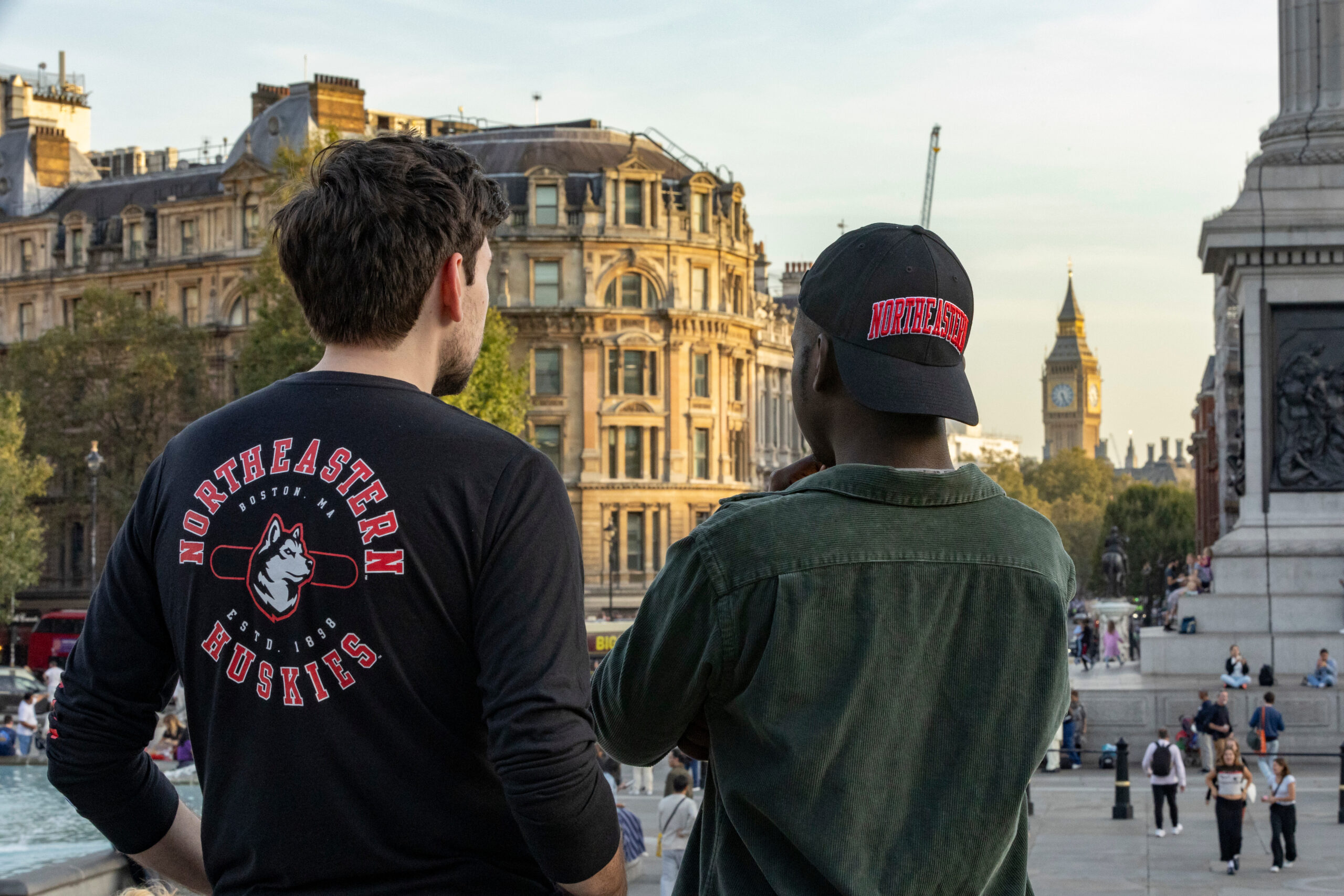
Site visit to the National Gallery to explore the question ‘What is Goodness?’
What was the site visit?
The session was a visit to the National Gallery, in which students were asked to critically assess and apply theories from the philosophy of art and aesthetics – specifically, theories about what it means to call an artwork ‘good’ – to real examples of art. The visit formed part of the course Advanced Ethics. While questions about aesthetics and art may not seem obviously relevant to this topic, at the core of the course was the question ‘What is goodness?’, a question that spans both ethics and aesthetics.
What was involved?
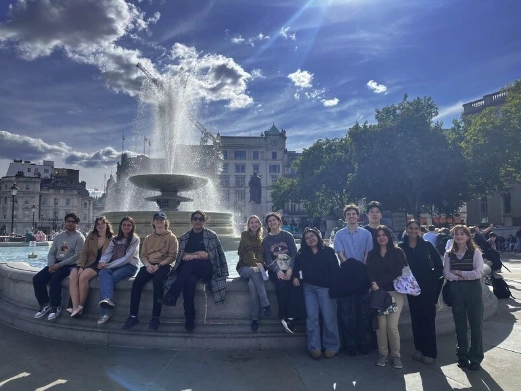
Students were asked, in groups, to spend time in the National Gallery and identify pieces of art that they would judge to be ‘good’. They were then asked to discuss why they arrived at that judgement, and to align or text their intuitions against the philosophical theories of goodness in art that had been discussed in class.
How did students learn?
Students learned by applying theories and ideas discussed in class to real examples of artwork, and by testing their own intuitions and views against those defended in the course readings. More broadly, they learned through exploratory engagement in a non-classroom environment, and, importantly, an environment in which it feels very natural to think about questions like ‘What makes an artwork good?’
Key benefits for students included:
The key benefits for students were twofold. First, the session offered an opportunity for exploratory and applied learning, allowing students to put theoretical frameworks into practice outside the classroom. Second, it gave them the chance to test their own intuitions against real examples of artwork, encouraging a deeper and more personal engagement with the philosophical material.
Student perspective

“As part of our Advanced Ethics course, we went to the National Gallery in order to apply Helen Knight’s goodness-criteria relation to real artworks. The way one responds to artwork is powerful, and really shaped our understanding of Knight’s philosophical claims. We were doing philosophy in real time – it was a great experience…one might even call it ‘good’.”
Faculty perspective

“It might seem a little strange to go and look at artwork in a gallery in a course on ethics. But at the core of the course – and the literature we read for the course – is the question: What is Goodness? This is a very old question dating back to the Ancients. ‘Goodness’ (and its opposite) applies to the morality of our actions, but the same word/ concept is applied to art and other areas in which we might talk about related concepts like ‘Beauty’.
So one of the things I wanted students to do is think about the overlap/ places of divergence between how we understand and apply the conception of goodness in ethics and how we understand and apply it in aesthetics.
This experiential session gave students the chance to, in a really exploratory way, test out their own intuitions about why and when we judge certain things to be ‘good’ – which could then be taken back into the classroom to deepen their evaluation of questions about goodness in (e.g.) ethics.”

Northeastern University London is a charity
registered with the Charity Commission for
England and Wales (charity number 1189858).
Location
Devon House
58 St Katharine’s Way
London E1W 1LP, UK
+44 20 7637 4550
Northeastern University London is part of a global system, linking 13 campuses across the U.K., U.S., and Canada. Learn more about how our network serves as a platform for scaling ideas, talent, and solutions.
QUICK LINKS
Quick links
CAMPUS LOCATIONS